Enterprise brands operating across the Middle East and North Africa (MENA) face a critical architecture decision when scaling their online presence. Choosing between a traditional monolithic e-commerce platform and a decoupled headless architecture requires balancing cost structures, operational complexity, and the localized demands of a multi-region audience that uses both Arabic and French.
Understanding Monolithic vs. Headless Architecture
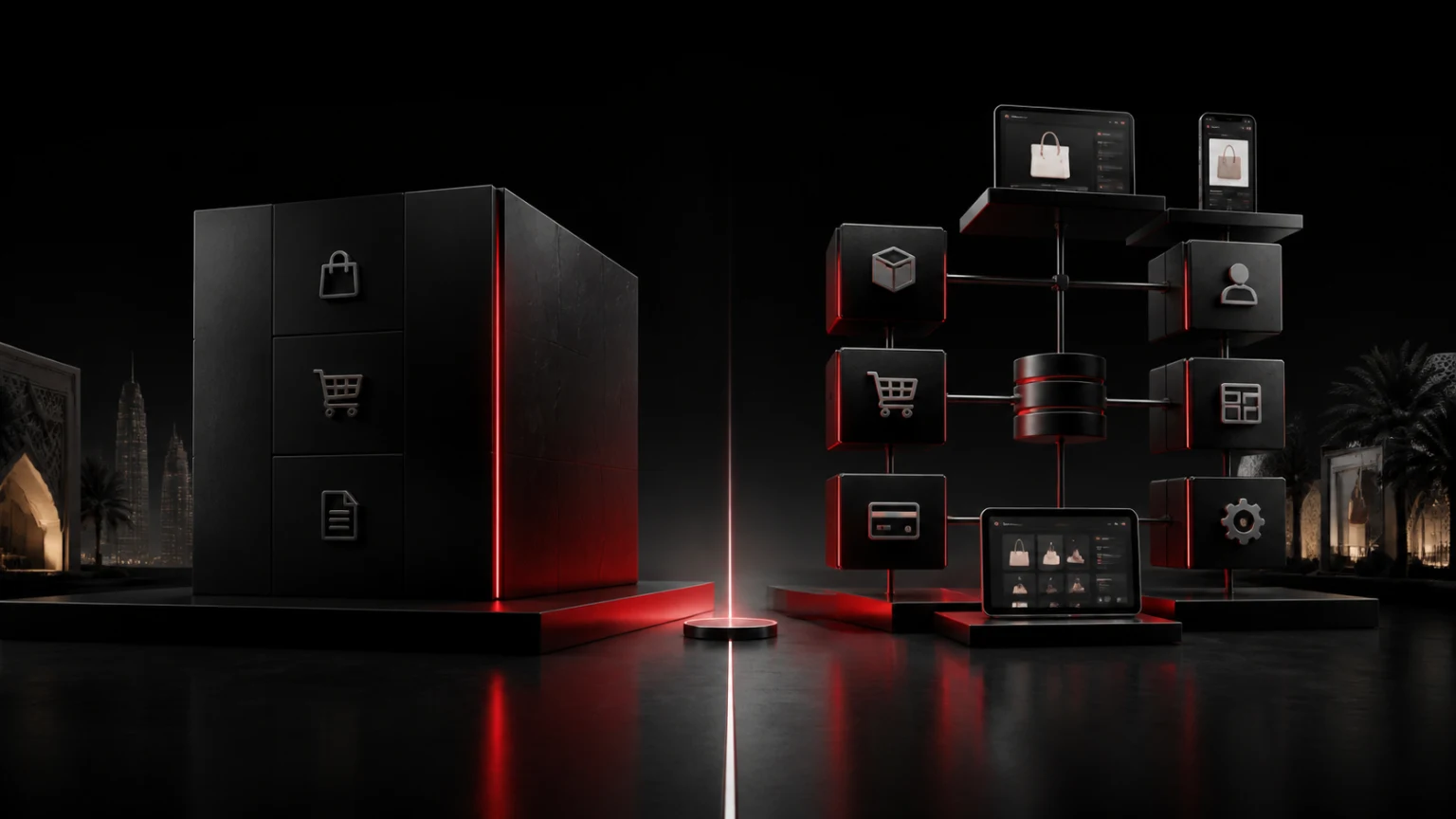
Monolithic architectures unify the front-end presentation layer and the back-end business logic within a single software package. This setup historically offered simplicity, providing out-of-the-box templates, catalog management, and checkout capabilities. However, customizing user journeys across diverse regional markets can introduce technical friction.
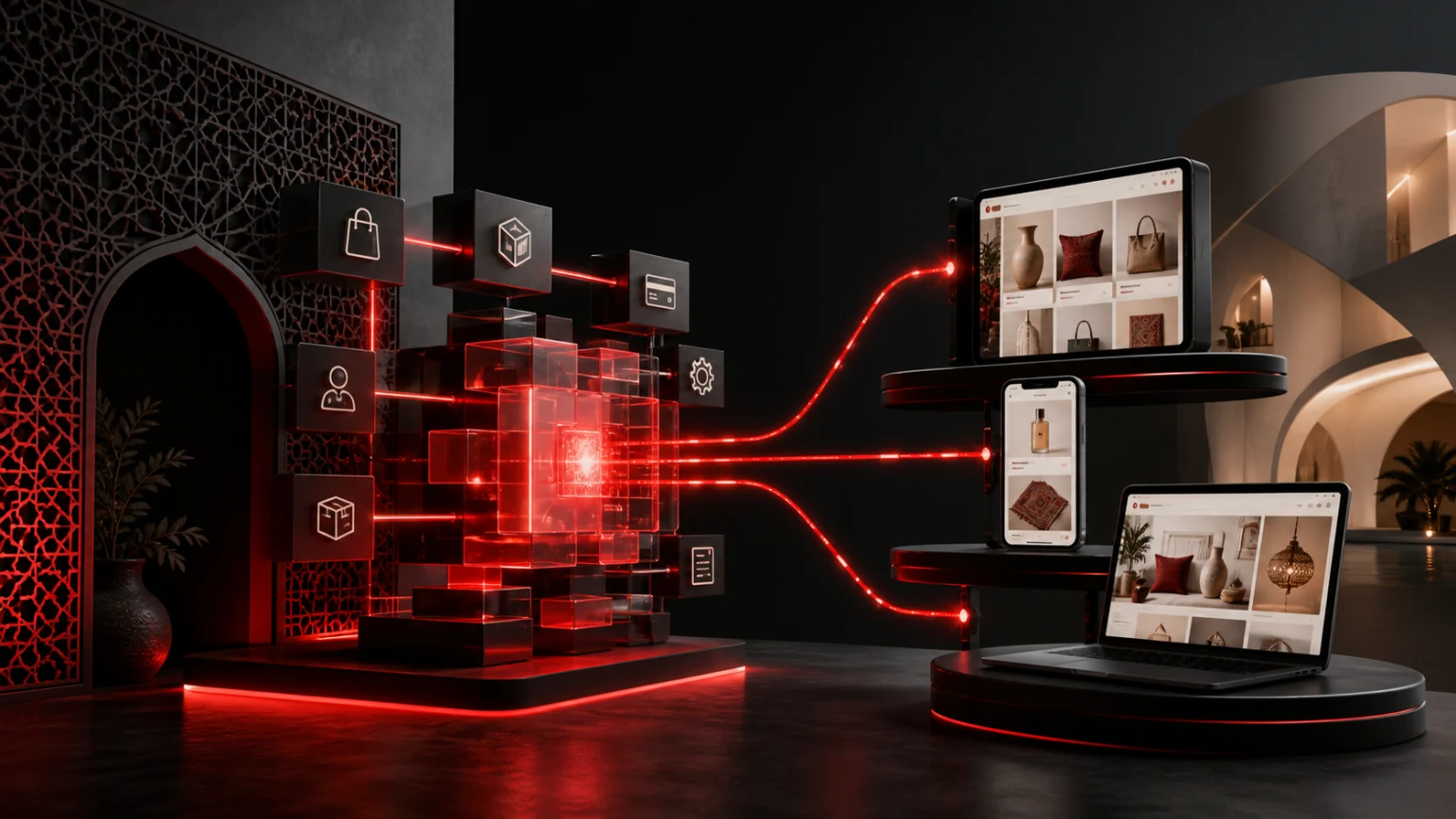
Conversely, a headless architecture decouples the front-end user experience from back-end commerce engines, communicating via Application Programming Interfaces (APIs). This separation allows engineering teams to build custom web and mobile interfaces tailored to specific audience expectations, albeit with higher initial technical setup requirements.
Cost Dynamics and Total Cost of Ownership (TCO)
Evaluating total cost of ownership involves weighing upfront engineering investment against long-term operational costs:
- Initial Deployment: Monolithic setups generally incur lower initial development costs. Headless implementations require custom front-end development, API integrations, and specialized hosting setups.
- Ongoing Maintenance: Monoliths simplify vendor management but can grow brittle over time. Headless architectures split management across multiple services, requiring dedicated oversight for APIs and content infrastructure.
- Scalability and Upgrades: Upgrading a monolith often impacts the entire codebase. Headless setups allow teams to update front-end frameworks without interrupting core back-end operations, mitigating downtime risks.
Localization and Multilingual Performance (Arabic RTL & French)
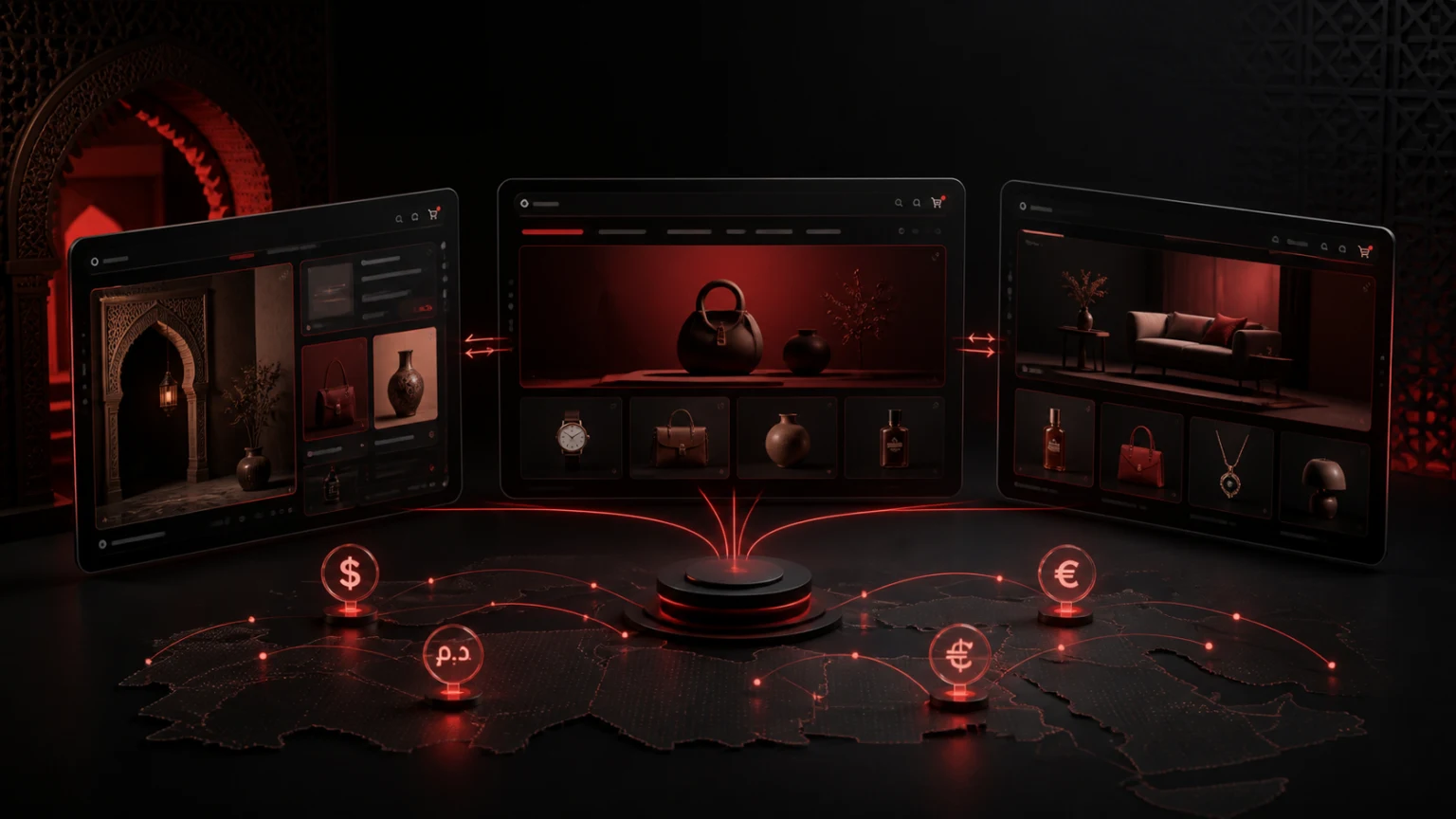
Localization in MENA extends beyond literal translations. It demands proper Right-to-Left (RTL) layout rendering for Arabic alongside Left-to-Right (LTR) support for French and English. Monolithic platforms often rely on generic themes that require significant retrofitting to handle RTL typography, dynamic alignment, and localized payment gateways.
Headless setups grant front-end developers full control over localized asset delivery, enabling optimized CSS pipelines and font loading strategies for Arabic scripts. Organizations seeking structured guidance on localized platform builds can review our web development services to understand technical requirements.
A Practical Evaluation Framework for Enterprise Brands
When selecting an e-commerce architecture for regional growth, evaluate these criteria:
- Audit current internal technical capabilities and identify whether your team can support API-first environments.
- Calculate the required localized user experiences across web, mobile apps, and localized storefronts.
- Measure the expected load times and performance impact of heavy Arabic font families and bilingual scripts.
- Project total operational costs over a 3- to 5-year timeline, including third-party SaaS subscriptions and custom middleware.
Frequently Asked Questions
Is headless e-commerce strictly necessary for enterprise success in MENA?
Not always. Monolithic platforms remain effective for enterprises prioritizing rapid deployment and lower initial architectural complexity. Headless is best suited for organizations requiring high customization and multi-touchpoint strategy.
How does architectural choice impact mobile performance?
Headless architectures allow for modern progressive web app (PWA) implementations, which often yield faster mobile load times over variable network conditions when properly built and cached.
Conclusion
Selecting between headless and monolithic architectures depends on your brand's technical maturity, regional expansion plans, and performance priorities across Arabic and French markets. To explore how to align your technical stack with enterprise goals, feel free to contact our team for an architecture assessment.
FoxDigia Team
FoxDigia Team specializes in building brand identities, website design, digital marketing, and improving businesses' presence in Morocco and the Gulf.